TE Connectivity 0.93 mm Pitch 4677 Way LGA Surface Prototyping IC Socket
- RS庫存編號:
- 267-4873
- 製造零件編號:
- 2-2347090-1
- 製造商:
- TE Connectivity

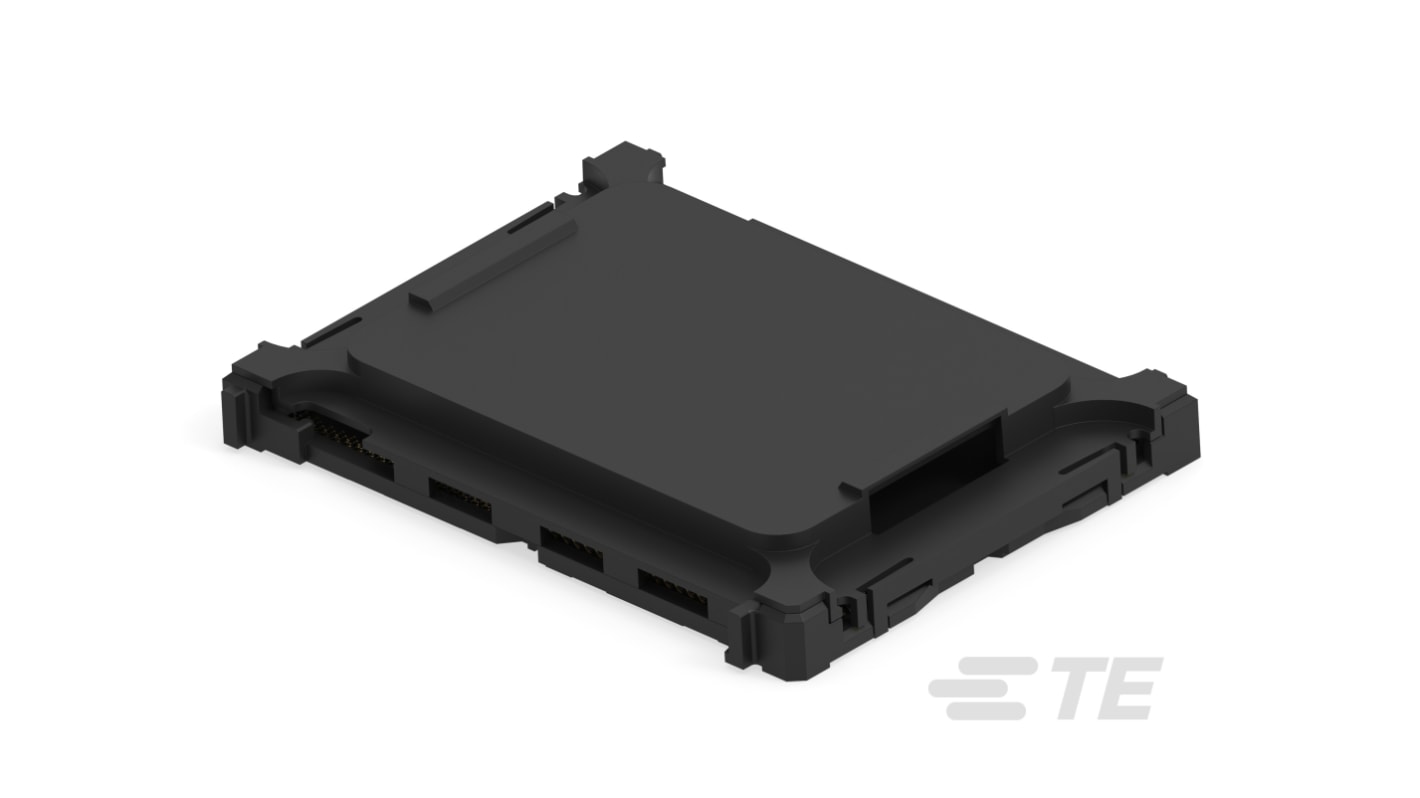
此圖片僅供參考,請參閲產品詳細資訊及規格
可享批量折扣
小計(1 托盤,共 6 件)*
TWD24,277.20
(不含稅)
TWD25,491.06
(含稅)
庫存資訊目前無法存取 - 請稍後再回來查看
單位 | 每單位 | 每托盤* |
|---|---|---|
| 6 - 6 | TWD4,046.20 | TWD24,277.20 |
| 12 - 12 | TWD3,924.80 | TWD23,548.80 |
| 18 + | TWD3,807.20 | TWD22,843.20 |
* 參考價格
- RS庫存編號:
- 267-4873
- 製造零件編號:
- 2-2347090-1
- 製造商:
- TE Connectivity
規格
產品概覽和技術數據資料表
法例與合規
產品詳細資訊
透過選取一個或多個屬性來查找類似產品。
選取全部 | 屬性 | 值 |
|---|---|---|
| 品牌 | TE Connectivity | |
| Package Type | LGA | |
| IC Socket Type | Prototyping Socket | |
| Product Type | IC Socket | |
| Current | 500mA | |
| Number of Contacts | 4677 | |
| Pitch | 0.93mm | |
| Orientation | Straight | |
| Contact Material | Copper Alloy | |
| Contact Plating | Gold | |
| Socket Mount Type | Surface | |
| Device Mount Type | Surface | |
| Minimum Operating Temperature | -40°C | |
| Maximum Operating Temperature | 105°C | |
| Standards/Approvals | RoHS, UL 94V-0 | |
| Housing Material | Liquid Crystal Polymer | |
| 選取全部 | ||
|---|---|---|
品牌 TE Connectivity | ||
Package Type LGA | ||
IC Socket Type Prototyping Socket | ||
Product Type IC Socket | ||
Current 500mA | ||
Number of Contacts 4677 | ||
Pitch 0.93mm | ||
Orientation Straight | ||
Contact Material Copper Alloy | ||
Contact Plating Gold | ||
Socket Mount Type Surface | ||
Device Mount Type Surface | ||
Minimum Operating Temperature -40°C | ||
Maximum Operating Temperature 105°C | ||
Standards/Approvals RoHS, UL 94V-0 | ||
Housing Material Liquid Crystal Polymer | ||
- COO (Country of Origin):
- CN
The TE Connectivity new LGA 4677 sockets for top processor players are designed with high bandwidth demands with PCI express and DDR5 8 channel support available as well as providing a much larger amount of memory channels. When partnered with TE Connectivity DDR5 DIMM socket solutions and PCI express generation 5. The TE LGA 4677 socket provides a total solution for supporting the data rates required by next generation system architectures.
Increased performance
Supports auto assembly processes
Reduced overall power consumption
Greater number of memory channels
Supports higher speed networking protocols