onsemi NCV7327D10R2G, LIN Transceiver 20 kbps, 8-Pin SOIC
- RS庫存編號:
- 195-2453
- 製造零件編號:
- NCV7327D10R2G
- 製造商:
- onsemi

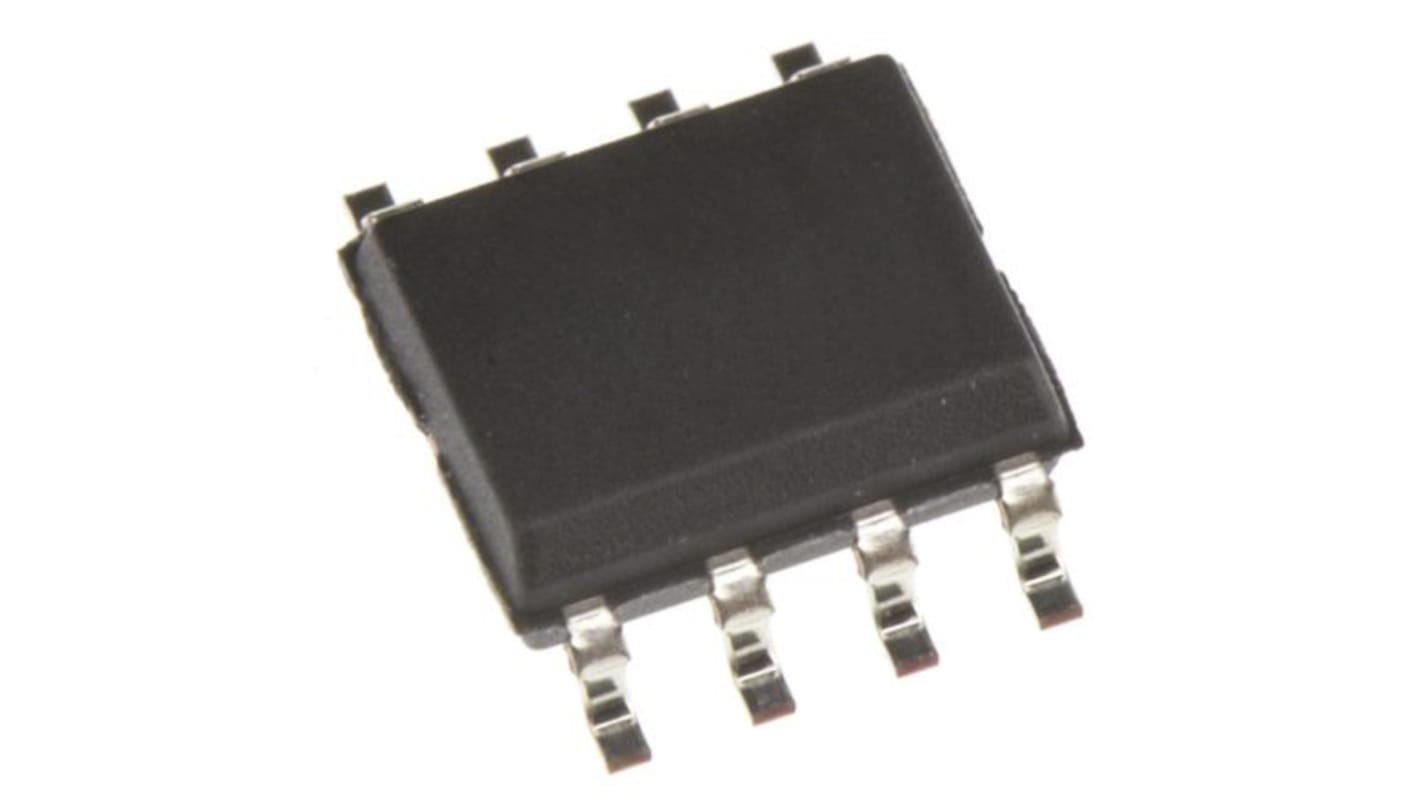
此圖片僅供參考,請參閲產品詳細資訊及規格
庫存資訊目前無法查詢
- RS庫存編號:
- 195-2453
- 製造零件編號:
- NCV7327D10R2G
- 製造商:
- onsemi
規格
法例與合規
產品詳細資訊
透過選取一個或多個屬性來查找類似產品。
選取全部 | 屬性 | 值 |
|---|---|---|
| 品牌 | onsemi | |
| Maximum Data Rate | 20kbps | |
| Product Type | LIN Transceiver | |
| Number of Transceivers | 1 | |
| Sub Type | LIN Transceiver | |
| Power Down Mode | Standby | |
| Supply Current | 6.5mA | |
| Mount Type | Surface | |
| Package Type | SOIC | |
| Interface Type | SAE J2602, LIN | |
| Pin Count | 8 | |
| Minimum Supply Voltage | 5V | |
| Maximum Supply Voltage | 18V | |
| ESD Protection | Yes | |
| Minimum Operating Temperature | -40°C | |
| Maximum Operating Temperature | 150°C | |
| Series | NCV7327 | |
| Length | 4.9mm | |
| Height | 1.5mm | |
| Standards/Approvals | No | |
| Automotive Standard | AEC-Q100 | |
| 選取全部 | ||
|---|---|---|
品牌 onsemi | ||
Maximum Data Rate 20kbps | ||
Product Type LIN Transceiver | ||
Number of Transceivers 1 | ||
Sub Type LIN Transceiver | ||
Power Down Mode Standby | ||
Supply Current 6.5mA | ||
Mount Type Surface | ||
Package Type SOIC | ||
Interface Type SAE J2602, LIN | ||
Pin Count 8 | ||
Minimum Supply Voltage 5V | ||
Maximum Supply Voltage 18V | ||
ESD Protection Yes | ||
Minimum Operating Temperature -40°C | ||
Maximum Operating Temperature 150°C | ||
Series NCV7327 | ||
Length 4.9mm | ||
Height 1.5mm | ||
Standards/Approvals No | ||
Automotive Standard AEC-Q100 | ||
The NCV7327 is a fully featured local interconnect network (LIN) transceiver designed to interface between a LIN protocol controller and the physical bus. The LIN bus is designed to communicate low rate data from control devices such as door locks, mirrors, car seats, and sunroofs at the lowest possible cost. The bus is designed to eliminate as much wiring as possible and is implemented using a single wire in each node. Each node has a slave MCU−state machine that recognizes and translates the instructions specific to that function. The main attraction of the LIN bus is that all the functions are not time critical and usually relate to passenger comfort.